


Blog
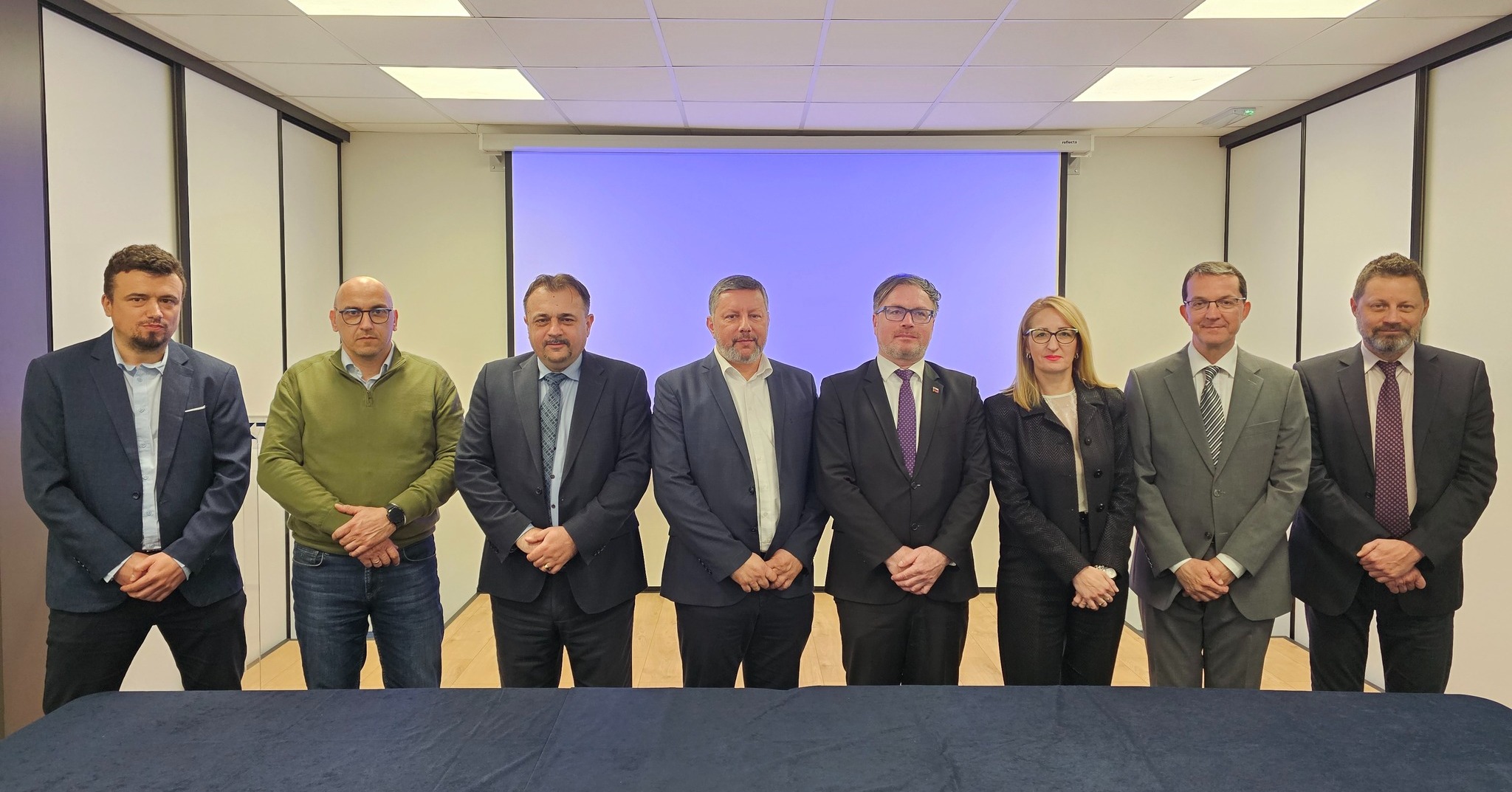
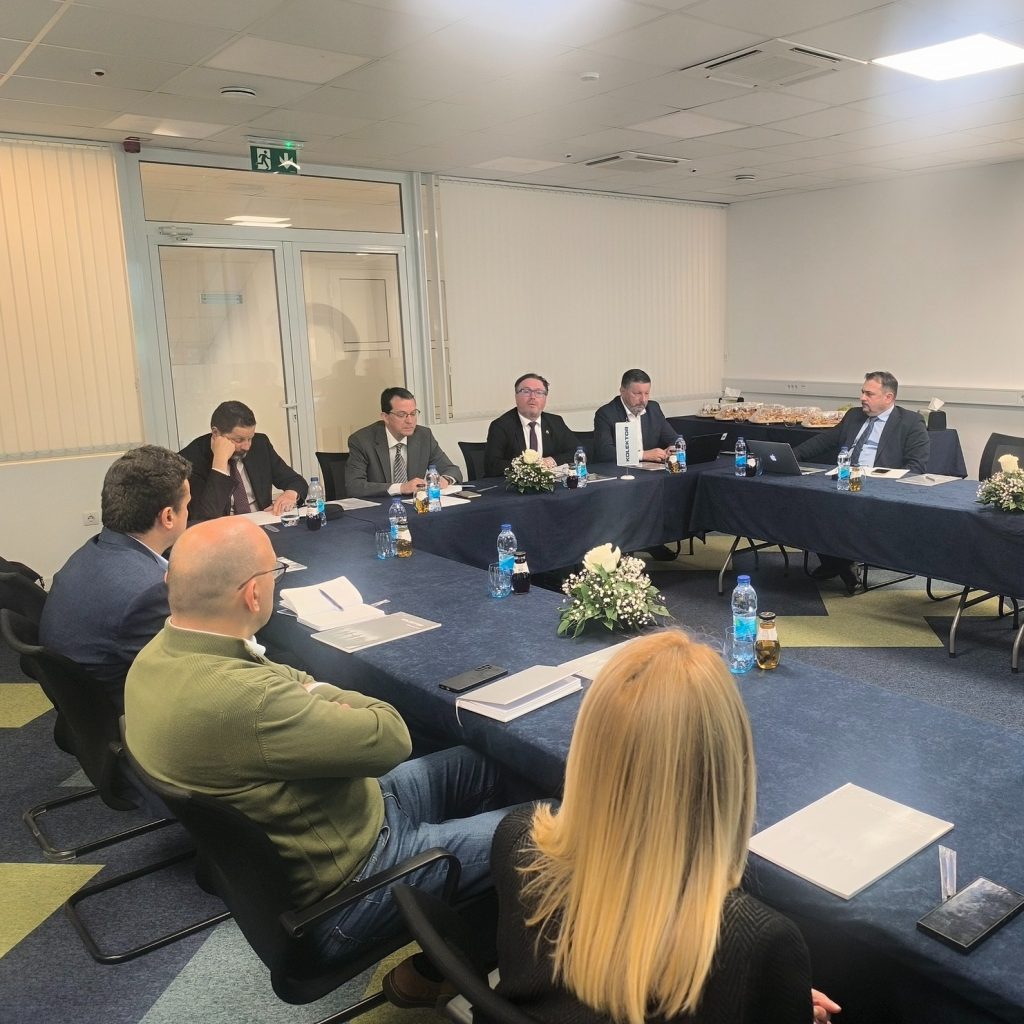
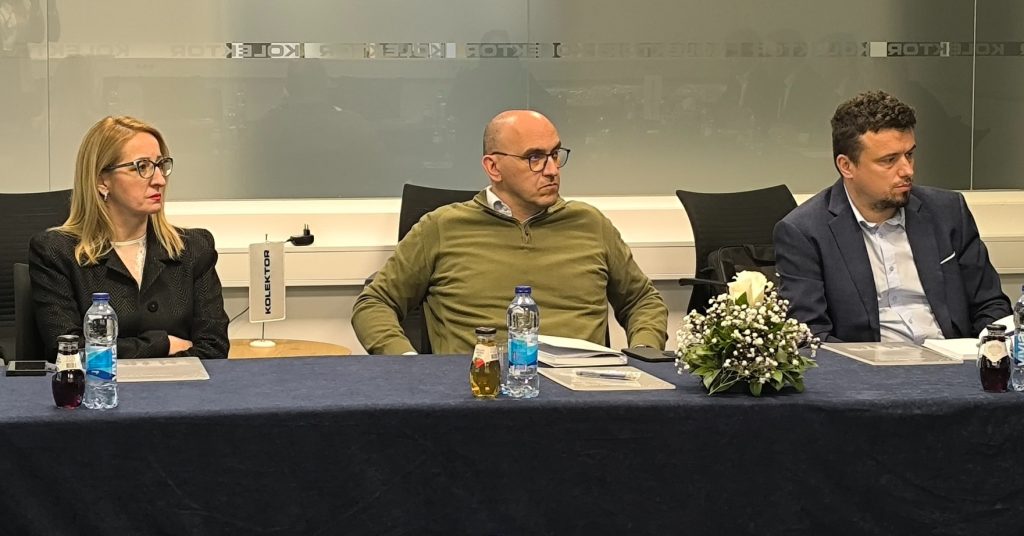
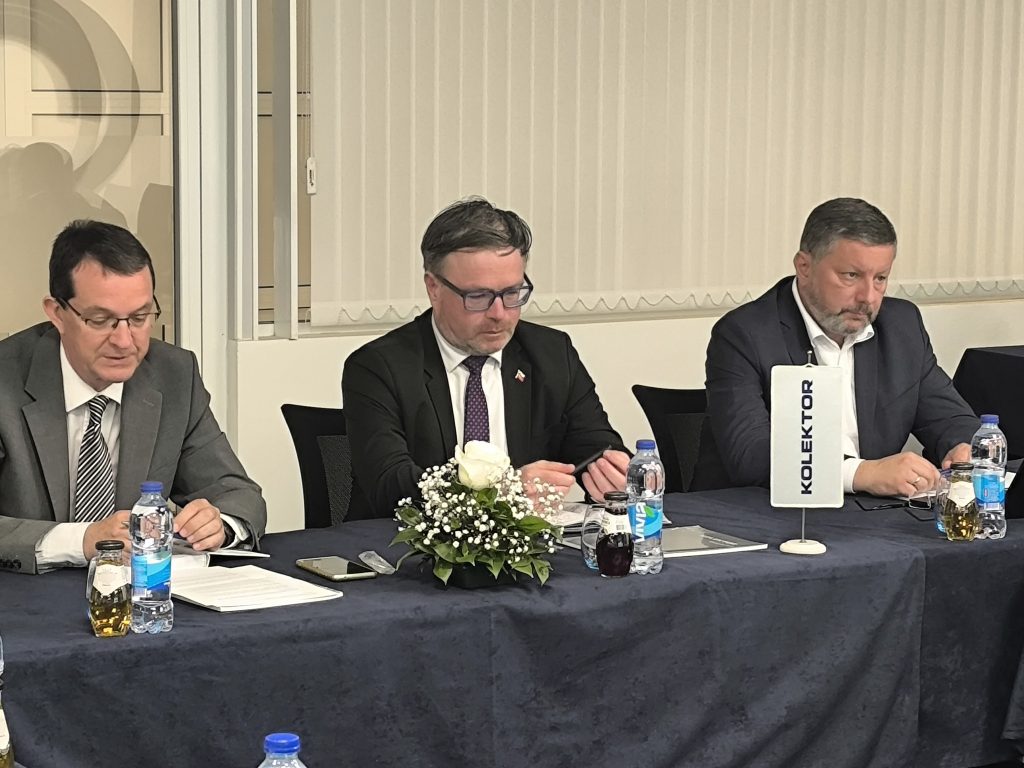
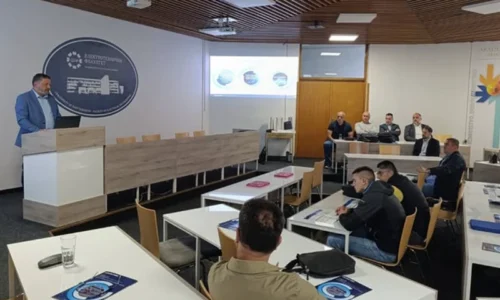
At KOLEKTOR CCL, a conference of Slovenian business representatives operating in Bosnia and Herzegovina was held, dedicated to the impact of border blockades on industry, exports, and jobs.
Slovenian manufacturing companies in Bosnia and Herzegovina employ more than 3,000 workers and generate €400–450 million in exports annually. Every delay of trucks at the border results in delivery delays, penalties, production interruptions, and risks to future investments.
Together with the Slovenian Business Association, the meeting was attended by representatives of Intereuropa, Iskra Europa, Cablex BH, Perutnina Ptuj, Pirnar, Mehanizmi B, and other companies operating in Bosnia and Herzegovina.
The conference was also attended by H.E. Ambassador of the Republic of Slovenia to Bosnia and Herzegovina Damijan Sedar, Zvone Žigon, Consul of the Republic of Slovenia, representatives of the Embassy of the Republic of Slovenia, as well as Saša Aćić, Director of the Employers’ Association of Republika Srpska. Special thanks are extended to Ambassador Sedar and the Embassy representatives for their support and understanding of the challenges faced by companies operating between Bosnia and Herzegovina and the EU.
In light of the announced border blockade on March 23, the need for urgent short-term and long-term solutions for international transport and the status of professional drivers was emphasized, in order to protect industry, jobs, and export stability.
While it is clear that short-term amendments to Schengen rules are not possible, the importance of active cooperation between the institutions of Bosnia and Herzegovina, the Republic of Slovenia, the European Union, and the transport sector was highlighted in finding sustainable solutions that will ensure the uninterrupted flow of goods.
News & Employee Stories

Kolektor CCL at Elmia Subcontractor 2025 in Sweden
Kolektor CCL is participating in the international trade fair Elmia Subcontractor 2025, held in Jönköping, Sweden. This is one of the m...
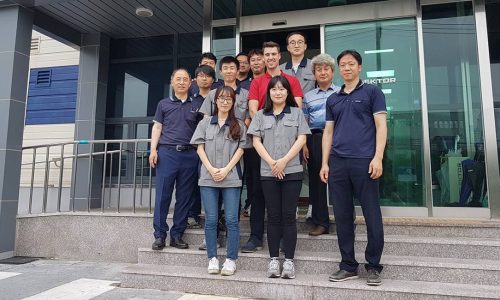
Gašper and his unforgettable Korea experience
I look forward to every summer, but this year I was especially excited about it. Within the GETM3 project, co-founded by the European H...
Days of Nikola Tesla
It was a great honor and pleasure for us to be part of the 'Days of Nikola Tesla' event on May 20, where we presented the company Kolek...